






Your search - Mahan, Alfred Thayer - did not match any resources.
Alfred Thayer Mahan
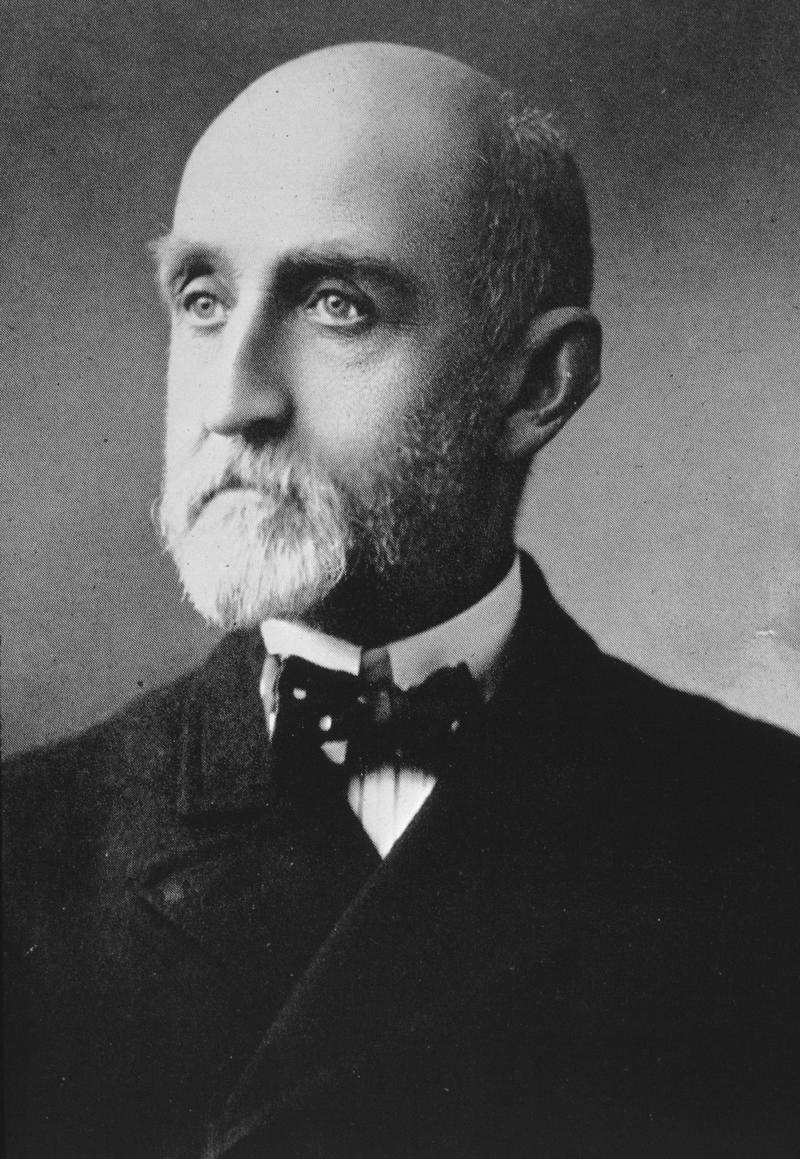 Alfred Thayer Mahan (; September 27, 1840 – December 1, 1914) was a United States Navy (USN) officer and historian whom John Keegan called "the most important American strategist of the nineteenth century." His 1890 book ''The Influence of Sea Power upon History, 1660–1783'' won immediate recognition, especially in Europe, and with the publication of its 1892 successor, ''The Influence of Sea Power upon the French Revolution and Empire, 1793–1812'', he affirmed his status as a globally-known and regarded military strategist, historian, and theorist. Mahan's works encouraged the development of large capital ships—eventually leading to dreadnought battleships—as he was an advocate of the 'decisive battle' and of naval blockades.
Critics, however, charged him with failing to adequately explain the rise of largely land-based empires, such as the German or Ottoman Empires, though Mahan did accurately predict both empires' defeats in World War I. Mahan directly influenced the dominant interwar period and World War II-era Japanese naval doctrine of the , and he became a "household name" in Germany. He also promoted American control over Hawaii though he was "lukewarm" in regard to American imperialism in general. The USN's ''Mahan''-class of destroyers served as his namesake, four individual USN ships have borne his name, as well as various buildings and roads.
Mahan has been described as "America's first globalist" and the United States Naval Institute has described his scholarship as "foundational to all systematic study of naval power". Strategies and ideas which view Mahan's works as key are sometimes referred to as "Mahanian", with adherents referred to as "Mahanians". Provided by Wikipedia